
Last Updated: November 7, 2026
Quick Summary
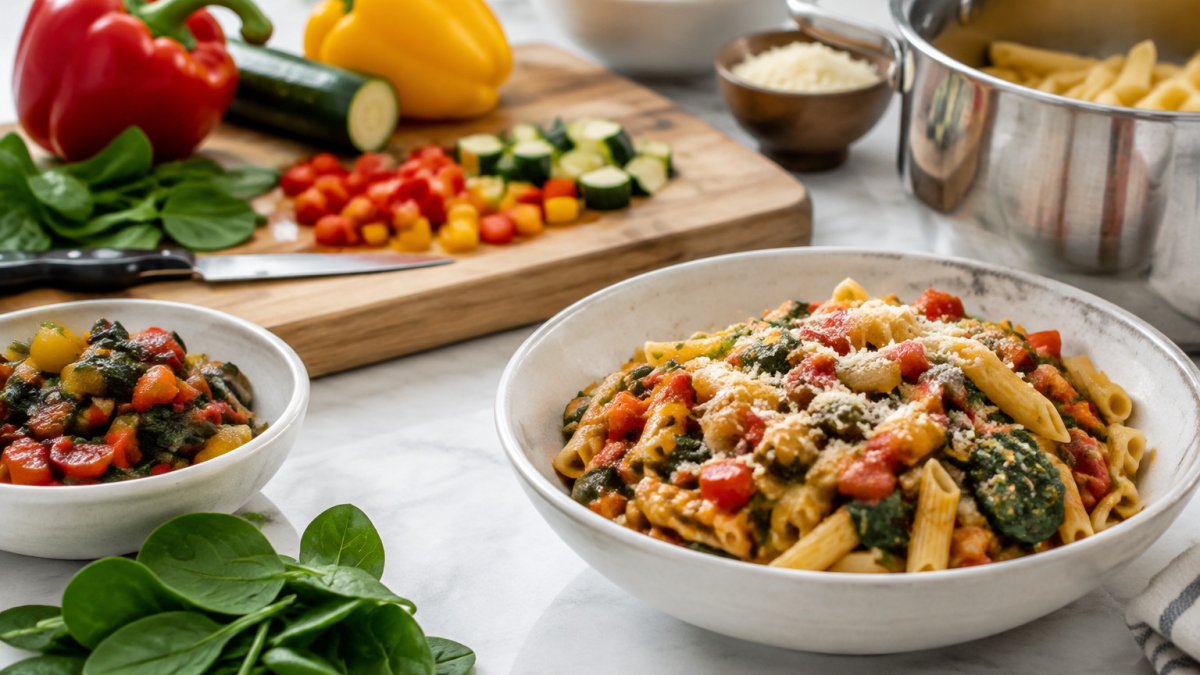
Stir savory vegetable blends into an already-smooth sauce off the heat and whisk for 20 to 30 seconds until no specks remain. One scoop disappears into jarred sauce, roasted vegetable sauce, or creamy pasta without changing taste or texture, so pasta night stays familiar while nutrition goes up.
- Pull the pan off the burner before adding powder, since boiling sauce creates clumps.
- Roast vegetables at 425°F for 25 to 30 minutes, turning once halfway, before blending.
- Blend roasted cauliflower and zucchini with 1/2 cup pasta water for creamy sauce without heavy cream.
- Smooth blended sauces coat penne, rigatoni, and fusilli; chunky sauces need orecchiette, shells, or farfalle.
- Blended vegetable sauce freezes well for about three months in single-serving containers.
Table of Contents
- Why Savory Vegetable Blends Belong in Your Pasta Rotation
- How to Add Blended Vegetables to Pasta Sauce Without a Texture Fight
- Roasted Vegetable Pasta Sauce: Caramelize First, Blend Second
- Mixed Vegetable Pasta: Pairing the Right Blend With the Right Shape
- Creamy Roasted Vegetable Pasta Without the Heavy Cream
- Seasoning, Texture, and Storage: The Details That Make It Work
- Pick Your Blend and Get Dinner on the Table
- Frequently Asked Questions
Why Savory Vegetable Blends Belong in Your Pasta Rotation
Savory vegetable blends are whole-food powders made from real vegetables, and they let you add nutrition to pasta night without changing the taste or texture kids already trust.
Pasta is one of the few foods most picky eaters reliably finish. That makes it the smartest place to start.
Here's the appeal in plain terms:
- No new food on the plate
- No change to color, smell, or texture
- No extra cooking steps
- No mealtime negotiation
The USDA dietary guidelines for young children note that most kids fall short on vegetables. Pasta night is a low-risk place to close that gap.
Below, we'll show you exactly how to use savory vegetable blends in pasta, from jarred sauce to roasted vegetable sauce to creamy pasta without heavy cream.
How to Add Blended Vegetables to Pasta Sauce Without a Texture Fight
The safest method is to stir the blend into an already-smooth sauce, off the heat, and whisk until no specks remain. Texture is what triggers most refusals, not flavor. Remove the texture variable and the fight usually never starts.
Here is the order that works:
- Warm your sauce in a pan over low heat.
- Pull the pan off the burner.
- Add one scoop of savory vegetable blend.
- Whisk for 20 to 30 seconds until fully dissolved.
- Toss with pasta and serve as usual.
Watch out: dumping powder into boiling sauce creates clumps. Clumps mean detectable grit, and grit means a refused plate.
Working With Prepared, Frozen, and Jarred Blends
Most pasta-night vegetable advice assumes you are starting from a pile of fresh vegetables. A prepared savory vegetable blend is one option, and each format behaves differently in the pan. Match the format to the sauce you are already making:
- Dry vegetable powder blends: Best stirred into a smooth sauce off the heat, as above. Taste before adding more than one scoop. Powder dissolves fully, which keeps texture risk low.
The Blend-and-Hide Method for Sensory-Sensitive Eaters
Start with a small amount and build up gradually. Our guide on introducing new food textures to an autistic child offers specific guidance for children who need a slower pace.
For children who notice everything, smooth sauces hide best: tomato, marinara, or a pureed roasted vegetable sauce. Chunky sauces leave pockets where powder can collect.
If texture resistance runs deeper than pasta, our guide on how to fix sensory food aversions walks through the full step-by-step process. For more methods beyond sauce, see ways to add nutrients to picky eater foods.
Roasted Vegetable Pasta Sauce: Caramelize First, Blend Second
Roasted vegetable pasta sauce gets its depth from caramelization, so roast the vegetables until the edges brown before you blend them. Raw vegetables blended straight into sauce taste watery and flat. Heat changes that.
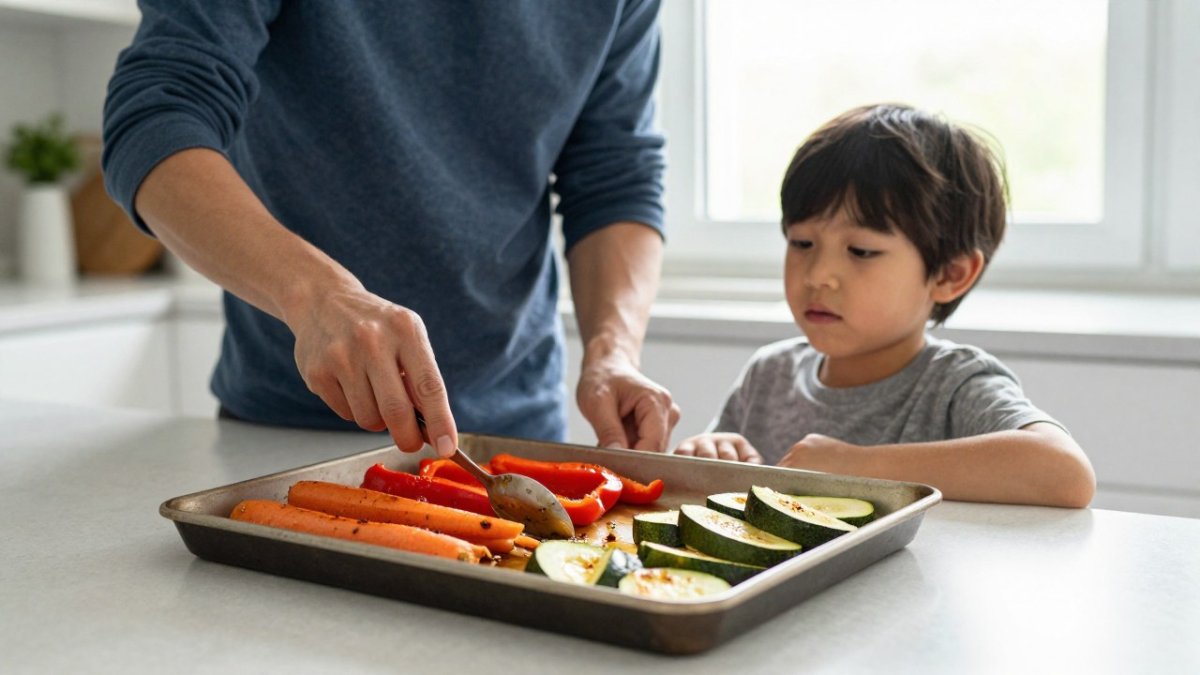
Toss chopped vegetables with olive oil and salt. Spread them on a sheet pan in a single layer. Roast at 425°F for 25 to 30 minutes, turning once halfway.
Which Vegetables Roast Best for Sauce
Some vegetables blend into a smoother, sweeter sauce than others. Our picks:
- Carrots: sweet and smooth, great for hiding
- Zucchini and yellow squash: mild, blends easily
- Bell peppers: adds sweetness, roast until soft
- Cauliflower: creamy body without cream
- Onions: deep flavor, roast until browned
- Garlic: roast whole cloves for a mellow base
Avoid broccoli in blended sauce. It turns gray and bitter when pureed.
Mixed Vegetable Pasta: Pairing the Right Blend With the Right Shape
Mixed vegetable pasta works best when the sauce texture matches the pasta shape. Smooth blended sauces coat short pasta well. Chunky vegetable sauces need shapes with pockets to catch the pieces.
Sauce Style |
Best Pasta Shape |
Why It Works |
|---|---|---|
Smooth blended sauce |
Penne, rigatoni, fusilli |
Sauce clings to ridges and grooves |
Chunky vegetable sauce |
Orecchiette, shells, farfalle |
Pockets trap vegetable pieces |
Creamy blended sauce |
Fettuccine, linguine, spaghetti |
Long strands carry thick sauce |
One-pot pasta |
Short pasta |
Cooks evenly with vegetables |
Short pasta is the safest choice for picky eaters. It's easier to spear, easier to chew, and less messy than long strands.
Toss the pasta with sauce in the pan, not on the plate. The heat helps everything combine.
Creamy Roasted Vegetable Pasta Without the Heavy Cream
Creamy roasted vegetable pasta gets its richness from blended cauliflower, zucchini, and a splash of pasta water, not from cream. The starch in pasta water thickens the sauce and helps it coat every piece.
Here's the method:
- Roast cauliflower and zucchini until browned.
- Blend with 1/2 cup pasta water until smooth.
- Add a knob of butter and a handful of Parmesan.
- Whisk over low heat until glossy.
- Thin with more pasta water as needed.
The result tastes rich and garlicky without feeling heavy. A squeeze of lemon at the end brightens the whole dish.
If your child is weighing sweet versus savory options at home, our comparison of sweet vs savory toddler food blends helps you pick the right fit.
Seasoning, Texture, and Storage: The Details That Make It Work
Seasoning and texture decide whether a vegetable pasta dish gets eaten twice. A sauce that tastes flat or looks unappetizing will fail no matter how nutritious it is. Small fixes solve both problems, and the fixes differ depending on whether you started from a dry blend, a frozen blend, or a jarred puree.
Fixing a Sauce That Tastes Flat or Looks Gray
Flat sauce usually needs acid and salt, not more vegetables. Gray sauce usually needs color and fat. Work through these in order and taste after each one:
- Tastes flat: add a squeeze of lemon or a splash of balsamic, about 1 teaspoon at a time for a 2-cup batch of sauce. Acid wakes up dull vegetable flavor faster than salt does.
- Still flat after acid: add salt in small pinches, then a pinch of sugar if the vegetables themselves taste bitter. Roasted carrots and cauliflower often need a little sweetness to round out.
- Looks gray: stir in tomato paste or a pinch of paprika. A tablespoon of tomato paste per 2 cups of sauce restores color without changing the flavor much.
- Too thin: simmer uncovered for 5 to 10 minutes, or add Parmesan. A quarter cup of grated Parmesan thickens about 2 cups of sauce and adds salt, so taste before seasoning again.
- Too thick: loosen with pasta water, 1 tablespoon at a time. The starch in pasta water also helps the sauce cling to the noodles.
- Bland: bloom garlic in olive oil first. Cook minced garlic in the oil over low heat for about 30 seconds before the sauce goes in, and the whole dish picks up a base note.
Watch out: if you are using a prepared blend that already contains salt, season the sauce before you add the blend, not after. Otherwise it is easy to overshoot and the dish tastes harsh.
Adjusting Texture: Smooth, Mashed, or Chunky
How you process the vegetables changes which pasta shape works and how picky eaters respond:
- Blended smooth: Best for hiding vegetables and for coating long noodles like fettuccine and spaghetti. Blend with pasta water until no pieces remain, then whisk in the pan.
- Mashed: Leaves small soft pieces that read as part of a hearty sauce. Good for baked pasta and short shapes with ridges. Mash with a fork or potato masher rather than a blender so you keep some body.
- Chunky: Needs shapes with pockets, like orecchiette, shells, and farfalle, so the pieces do not slide to the bottom of the bowl. Keep chunks small, about the size of a pea, so they distribute evenly.
A sauce that looks watery often just needs 5 minutes of uncovered simmering, not more thickener. A sauce that looks gluey usually had too much pasta water added at once; thin it back out with a splash of warm water and whisk. Once the sauce is back to a silky consistency, a pinch of nutritional yeast can add savory depth without changing the texture, and VeganEh.ca connects that finishing touch to simple ways of building flavor.
Freezing, Reheating, and Weeknight Meal Prep
Blended vegetable sauce freezes well. Make a double batch, cool it fully, and freeze in single-serving containers. It keeps for about three months.
Reheating rules that prevent dry, grainy pasta:
- Reheat sauce and pasta separately when you can. Warm the sauce on the stove with a splash of water, then toss with freshly cooked pasta.
- If the pasta is already mixed in, reheat it in a covered pan over low heat with 1 to 2 tablespoons of water per serving, stirring often. Microwaving mixed pasta and sauce dries it out because the pasta keeps absorbing liquid.
- Reheat frozen sauce straight from frozen over low heat, not high, so it does not scorch at the bottom of the pan.
Keep the dry blend itself in a cool, dry spot with the bag sealed. Scoop with a dry spoon so moisture stays out, and do not store the scoop inside the bag.
For a 30-minute weeknight meal, roast vegetables on Sunday, blend, and refrigerate. Monday night is then just boil, toss, and serve. Portion the sauce into containers before refrigerating so you are not reheating the whole batch for one dinner.
Pick Your Blend and Get Dinner on the Table
The easiest upgrade to pasta night is the one that adds no new steps. Stir a scoop of savory vegetable blend into the sauce you already make, and dinner stays familiar while the nutrition quietly goes up.
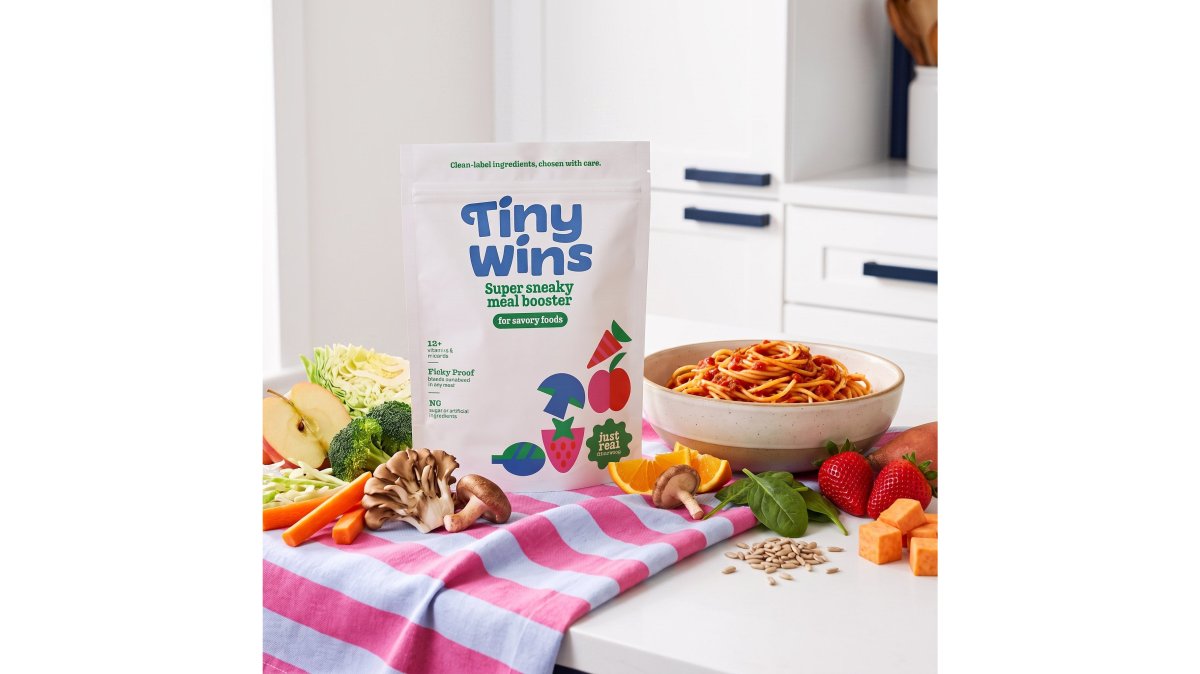
Our Savory Blend is a whole-food powder made from real vegetables, with no artificial ingredients and no added sugar. It's third-party tested and safe for gluten-free lifestyles.
One parent told us: "I finally stopped worrying about what he eats."
If you're ready to make pasta night count, choose your Savory Blend and get dinner on the table.

Pasta night doesn't have to be a nutrition dead end.
Frequently Asked Questions
How do you add blended vegetables to pasta sauce without changing the taste?
Cook the vegetables until soft, then puree them smooth before stirring into your sauce. Roasted carrots, yellow squash, and cauliflower blend into a texture close to tomato sauce, so kids notice less. Add the puree to a sauce you already know your child accepts. Strong flavors like garlic, Parmesan, and basil cover any faint vegetable sweetness. If your child is highly texture-sensitive, push the puree through a fine sieve so no fibers or skins remain.
What vegetables taste good in mixed vegetable pasta?
Zucchini, bell peppers, broccoli, carrots, peas, cauliflower, and yellow squash all work well because they soften quickly and take on garlic and olive oil. For a blended sauce, roasted carrots and cauliflower give body and mild sweetness. For a chunky mixed vegetable pasta, keep broccoli and bell peppers in larger pieces so they stay recognizable. Onion and garlic belong in almost every version as the base layer of flavor.
Can you make creamy roasted vegetable pasta without heavy cream?
Yes. Blend roasted cauliflower, yellow squash, or zucchini with a ladle of pasta water until smooth, then stir in a spoon of butter or olive oil and grated Parmesan. The starch in the pasta water thickens the sauce and helps it cling to the noodles. Cauliflower gives the creamiest result because it purees without a grainy texture. Add a squeeze of lemon at the end to brighten the flavor so it does not taste flat.
How do you use savory vegetable blends in pasta for a picky eater?
Start with a pasta your child already eats, such as short pasta with butter or a mild tomato sauce. Stir a whole-food vegetable blend powder into the sauce off the heat, then toss with the pasta. Serve the same portion size as usual so the plate looks familiar. Pair it with a protein your child likes so the meal still feels normal.



Leave a comment
This site is protected by hCaptcha and the hCaptcha Privacy Policy and Terms of Service apply.