
Last Updated: November 7, 2026
Quick Summary
Iron supports toddler growth by carrying oxygen through the body and fueling the brain's rapid development, learning, attention, and memory. Most toddlers need about 7 milligrams of iron per day between ages 1 and 3, so offer iron-rich foods like fortified cereal, meat, beans, and lentils alongside vitamin C.
- Iron is a building block of hemoglobin, the protein in red blood cells that carries oxygen.
- Infants 7 to 12 months need about 11 milligrams of iron per day.
- Watch for pale skin, low energy, poor appetite, frequent infections, and trouble focusing as signs of deficiency.
- The AAP recommends checking iron status with a blood test at least once between ages 9 and 12 months.
- Keep milk to mealtimes because calcium and too much milk can block iron absorption.
Table of Contents
- Why Iron Matters for Toddler Growth and Development
- How Much Iron Does a Toddler Need Each Day?
- Signs of Iron Deficiency in Toddlers and Why Screening Matters
- Toddler Iron-Rich Foods That Picky Eaters Will Actually Eat
- Iron Supplements for Toddlers: Safe Use and Overdose Prevention
- A Toddler-Friendly Meal Plan for Iron and Growth
- Choosing Your Toddler's Nutrition Support
- Frequently Asked Questions
Why Iron Matters for Toddler Growth and Development
The benefits of iron for toddler growth start with a simple fact: iron is a mineral every cell in your child's body depends on. Parents often worry about a toddler who eats only a handful of foods and refuses the rest. Iron sits at the top of that worry list for good reason.
Iron is a mineral that helps carry oxygen through the body and supports the brain's rapid development during the toddler years. Without enough iron, growth can slow and learning can suffer.
Here's the part most feeding guides skip. Iron does not just support growth. It fuels the systems that make growth possible.
Iron's Role in Brain Development, Learning, and Attention
The toddler brain grows faster than at any other time after infancy. Iron helps build brain connections tied to learning, attention, focus, and memory. Low iron status during these years is linked to weaker developmental outcomes, which is why pediatric experts watch iron intake so closely.
Hemoglobin, Oxygen Transport, and Healthy Tissue Growth
Iron is a building block of hemoglobin, the protein in red blood cells that carries oxygen. Blood volume rises as toddlers grow, so their iron needs stay high. When iron runs low, oxygen transport drops, and children can feel tired, cranky, and low on energy. That fatigue can look like a growth slowdown, poor appetite, or constant meltdowns. Ensuring adequate iron intake becomes even more critical when managing growth spurts, as the body requires additional resources to sustain these rapid physical developments.
How Much Iron Does a Toddler Need Each Day?
Most toddlers need about 7 milligrams of iron per day between ages 1 and 3. That number comes from the National Institutes of Health Office of Dietary Supplements iron fact sheet, which sets iron requirements by age. The same source lists 11 milligrams per day for infants ages 7 to 12 months, which is why the transition off breast milk or formula and onto table food is such a critical window.
Seven milligrams sounds small. It is harder to hit than it looks, and the target shifts with age and diet.
- Infants 7 to 12 months: about 11 mg per day, typically from breast milk or formula plus iron-fortified cereal and pureed meats once solids begin.
- Toddlers 1 to 3 years: about 7 mg per day from a mix of animal and plant foods.
- Children 4 to 8 years: about 10 mg per day as appetite and growth patterns change.
To make 7 milligrams concrete, here is what it looks like on a plate. One-half cup of iron-fortified cereal can supply roughly 4 to 5 milligrams. One ounce of cooked lean beef or dark poultry supplies roughly 0.5 to 1 milligram. One-half cup of cooked lentils supplies roughly 3 milligrams. One large egg supplies under 1 milligram. A toddler who eats a fortified cereal breakfast, a bean-based lunch, and a meat or lentil dinner can clear the target; a toddler who lives on crackers, pasta, and milk often falls well short.
Watch out: these are general population targets, not a prescription. A child with a diagnosed deficiency, a restricted diet, or a chronic condition may need a different amount set by a clinician, and more iron is not automatically better.
Too much milk can crowd out iron-rich foods and block iron absorption, so keep milk to mealtimes and within the daily range your pediatrician recommends. If you are unsure where your child lands, ask your pediatrician. A simple blood test can check iron status, and the result, not a guess, should drive any change.
Signs of Iron Deficiency in Toddlers and Why Screening Matters
Watch for pale skin, low energy, poor appetite, frequent infections, and trouble focusing. These are common signs of iron deficiency in toddlers, but they are easy to miss because they build slowly.
Screening matters because iron deficiency often shows no obvious symptoms at first. The American Academy of Pediatrics guidance on iron deficiency screening recommends checking iron status with a blood test at least once between ages 9 and 12 months, with follow-up as needed.
Catching low iron early makes it easier to fix with diet changes or supplements. Left alone, iron deficiency can progress to iron deficiency anemia, which affects energy, growth, and developmental outcomes. If you notice several signs at once, call your pediatrician rather than waiting for the next well visit. For a broader look at spotting gaps, see our guide to the signs your child has nutritional gaps.
Toddler Iron-Rich Foods That Picky Eaters Will Actually Eat
Picky eating does not have to block iron intake. The trick is working iron-rich foods into meals your toddler already trusts, not serving a plate of liver and hoping for the best.
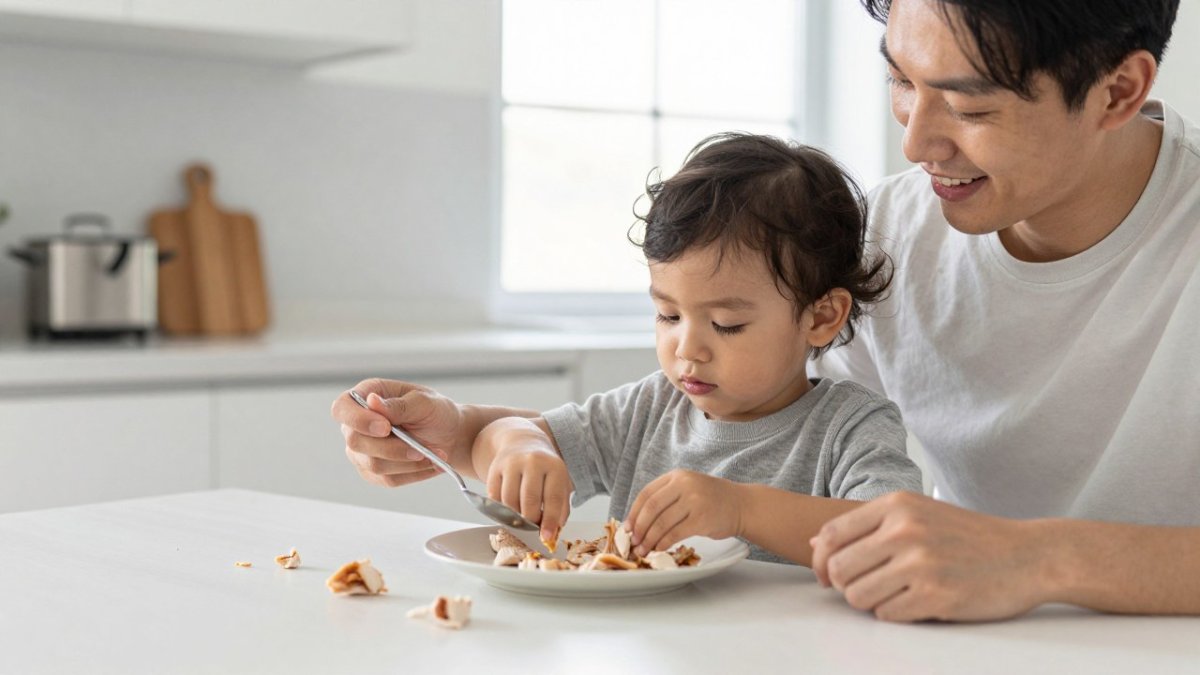
Start with these toddler iron-rich foods:
- Shredded chicken or turkey mixed into pasta
- Scrambled eggs with cheese
- Iron-fortified cereal with fruit
- Bean puree stirred into soup or quesadillas
- Soft tofu cubes
- Lentils mashed into a favorite sauce
Animal-Based and Plant-Based Iron Sources
Animal-based iron from meat, poultry, and eggs is generally absorbed more readily than plant-based iron. Plant sources remain useful, and pairing them with vitamin C can help absorption.
- Meat and poultry
- Eggs
- Beans and lentils
- Fortified cereals
- Tofu
Factors That Affect Iron Absorption and Dietary Availability
Vitamin C helps the body absorb iron. Calcium and too much milk can block it. Timing matters more than most parents realize.
- Serve orange slices or tomato with iron-rich meals
- Keep milk to mealtimes, not all day
- Avoid pairing iron foods with large cups of milk
For picky eaters who reject new textures, our guide on adding nutrients to picky eater foods covers simple methods that keep meals familiar.
Iron Supplements for Toddlers: Safe Use and Overdose Prevention
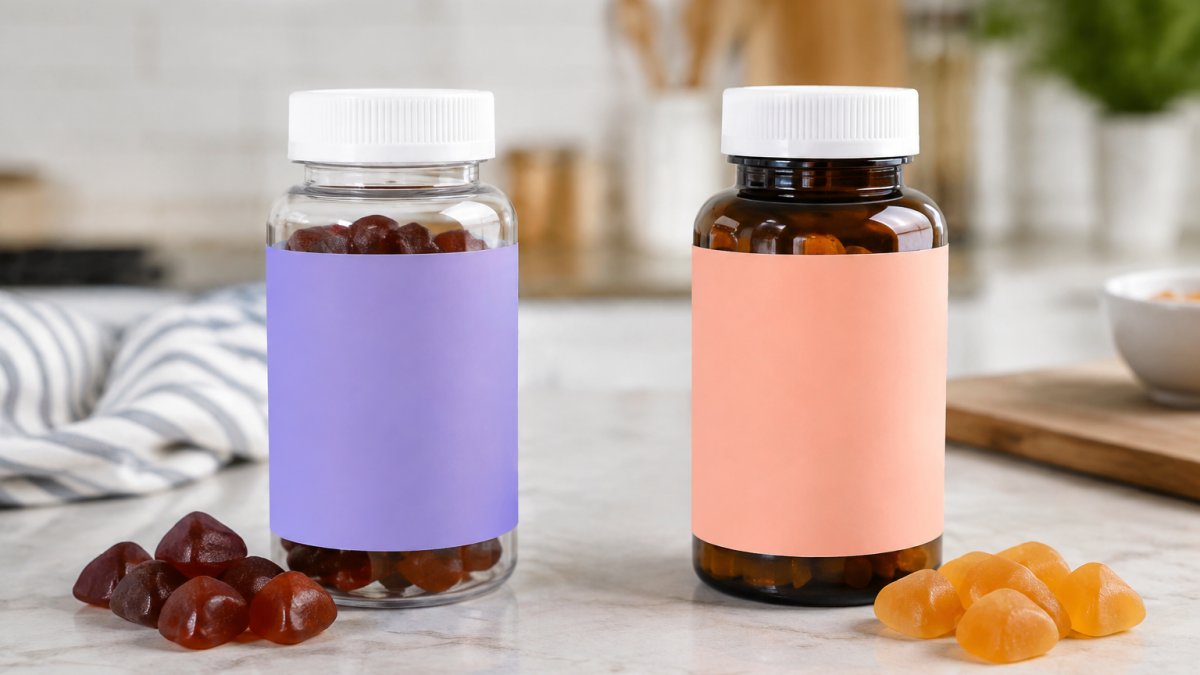
Iron supplements for toddlers can help, but they carry real risk. Iron overdose is one of the most common poisoning risks in young children, according to the CDC guidance on iron poisoning prevention. Never give iron drops without a pediatrician's guidance and a confirmed need.
A supplement should follow a conversation, not replace one. Supplements are generally considered only when a clinician confirms low iron status or a known risk factor. The dose is set by the clinician based on the child's age, weight, and lab results, and it is usually given as ferrous sulfate drops or a liquid preparation.
When a supplement is prescribed, administration matters as much as the dose:
- Give the drops with a vitamin C-rich food or juice to improve absorption, unless the clinician says otherwise.
- Keep iron away from milk, calcium supplements, and antacids, which can reduce absorption.
- Use the dosing syringe or dropper that comes with the product, not a kitchen spoon.
- Record each dose so caregivers and daycare do not double up.
- Expect dark stools, which are a common and harmless side effect; constipation is also common and worth raising with the clinician.
Watch out: iron supplements are a leading cause of accidental poisoning in young children because they look like candy and a handful of adult tablets can be dangerous for a toddler. Store all iron products in a locked cabinet, keep them in child-resistant containers, and never call them vitamins or candy in front of a child.
If you suspect an accidental overdose, do not wait for symptoms. Call Poison Control immediately at 1-800-222-1222 and follow their instructions; symptoms such as vomiting, abdominal pain, or lethargy can be delayed. Bring the bottle or note the product and amount so responders can act quickly.
If you are weighing a supplement, our clean supplements for toddler nutrition guide explains what to look for in third-party tested products.
A Toddler-Friendly Meal Plan for Iron and Growth
A simple day of iron-rich meals can look like this:
| Meal | Iron-Rich Food | Absorption Boost |
|---|---|---|
| Breakfast | Fortified cereal | Strawberries |
| Lunch | Shredded chicken quesadilla | Tomato salsa |
| Snack | Bean dip with soft tortilla | Orange slices |
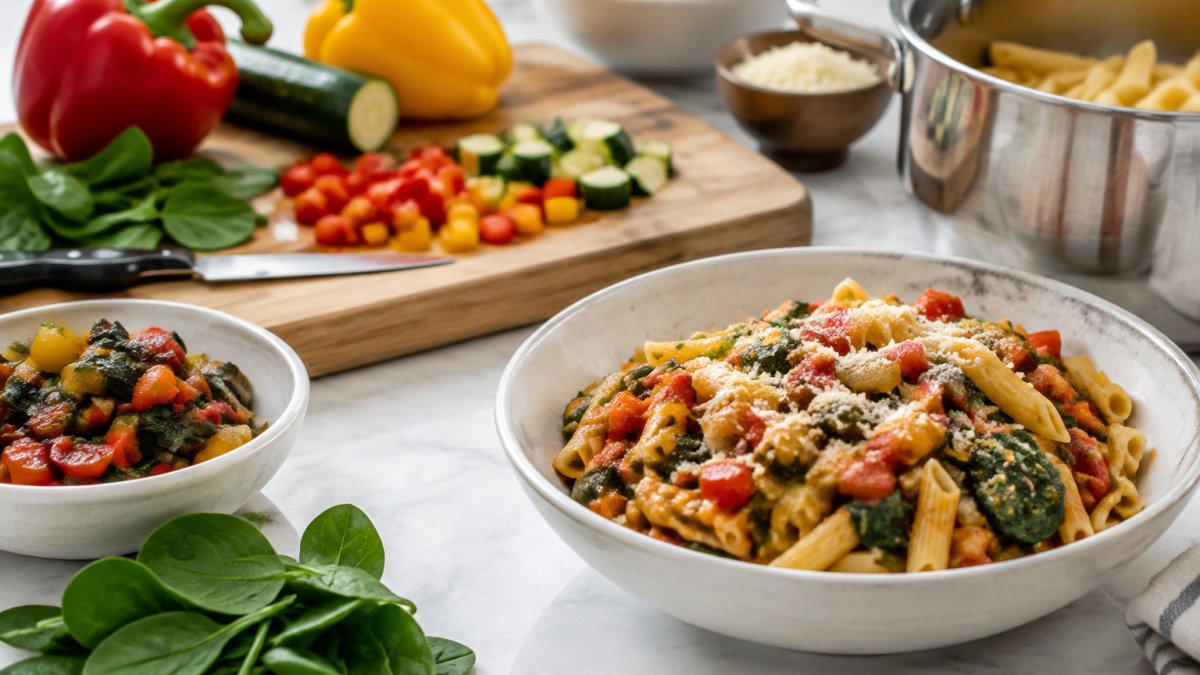
| Dinner | Lentil pasta with meat sauce | Broccoli |
Small portions, repeated often, work better than one big plate. Offer iron foods alongside safe favorites and let your toddler choose how much to eat.
Choosing Your Toddler's Nutrition Support
Some toddlers eat well. Many do not, and that is where a little daily backup helps. A whole-food booster can close small gaps without changing taste, texture, or routine.
Tiny Wins was designed for this kind of everyday gap. Our Sweet & Savory Blends combo adds real fruits and vegetables to meals your toddler already loves, with no change in taste or texture.

For a wider look at closing gaps, read our guide on bridging nutritional gaps in toddlers.
Iron needs during the toddler years are real, and picky eating makes them harder to meet. Tiny Wins makes it easier with a tasteless whole-food powder that blends into foods your child already eats, plus third-party testing for purity and no artificial ingredients. Get started with Tiny Wins and support your toddler's growth without mealtime battles.
Frequently Asked Questions
Does iron help toddlers grow taller?
Iron supports growth indirectly by enabling red blood cells to carry oxygen to growing tissues and by supporting brain development. A toddler with iron deficiency may experience fatigue and poor appetite, which can affect overall growth. Correcting low iron supports healthy development outcomes, but height is influenced by genetics, overall nutrition, and hormones. Iron is one essential piece of the growth puzzle, not a height-boosting shortcut.
What are the signs of low iron in toddlers?
Common signs of iron deficiency in toddlers include pale skin, fatigue, irritability, poor appetite, and delayed development. Some children show decreased attention and learning difficulties. Because symptoms can be subtle, pediatric guidance supports discussing iron screening with a blood test during toddlerhood. If you notice these signs, talk to your pediatrician about testing rather than guessing from behavior alone.
How long does iron take to work in toddlers?
When iron deficiency is identified and treated with supplements or dietary changes, parents often notice improved energy and appetite within a few weeks. Hemoglobin levels typically improve over one to three months, depending on the severity of deficiency. Your pediatrician will likely recheck blood work after treatment. Consistent iron intake from foods and, when recommended, supplements supports ongoing toddler growth and development.
Should toddlers take an iron supplement?
Most toddlers can meet their iron needs through food, but some may need supplements when a clinician confirms deficiency or identifies risk factors. The recommended daily iron intake for toddlers ages 1 to 3 is 7 mg. Never start an iron supplement without your pediatrician's guidance because too much iron can be dangerous. For picky eaters, a whole-food booster such as the Tiny Wins Sweet or Savory Blend is designed to blend into foods without changing their taste or texture.


Leave a comment
This site is protected by hCaptcha and the hCaptcha Privacy Policy and Terms of Service apply.