


Parenting can be joyful, meaningful, and sometimes overwhelming all at once. Many parents today are searching for approaches that help them guide their children with patience, respect, and connection. This is where gentle parenting has gained attention. Rather than relying on punishment or strict control, this approach focuses on empathy, communication, and guidance.
The goal of gentle parenting is not to create perfect children or perfect parents. Instead, it encourages a supportive relationship where adults help children learn how to manage emotions, make good choices, and grow into thoughtful people. When practiced consistently, this parenting style strengthens the parent child relationship, helping kids feel safe, understood, and supported.
In this guide, we will explore practical gentle parenting tips that parents can use in everyday life. The article is written for caregivers of babies, toddlers, and school-age children who want realistic tools for raising children with compassion and structure. You will find examples, scripts, routines, and helpful ideas for implementing this parenting strategy at home.
Key Principles of Gentle Parenting
At its core, gentle parenting focuses on connection, empathy, and guidance. These gentle parenting principles shape how parents respond to a child’s needs and behaviors.
Empathy as a Core Principle
Empathy is the heart of the gentle parenting approach. It means trying to understand a child’s emotions and reactions rather than dismissing them. When a child is upset, instead of saying “Stop crying,” a parent might say, “I see that you’re frustrated.”
This approach acknowledges the child's feelings and shows them that their emotions matter. Over time, this helps children develop self awareness and trust their caregivers.
From the perspective of child psychology, emotional validation teaches children that emotions are normal and manageable. Children who grow up with empathy often build strong emotional intelligence and healthy relationships later in life.
Connection and Secure Attachment
Connection is another essential aspect of gentle parenting. When children feel safe and connected to their caregivers, they are more likely to cooperate and respond positively.
This connection strengthens the parent child bond, which becomes the foundation for learning and growth. Research suggests that children who experience warm and responsive parenting tend to develop better emotional regulation and social skills.
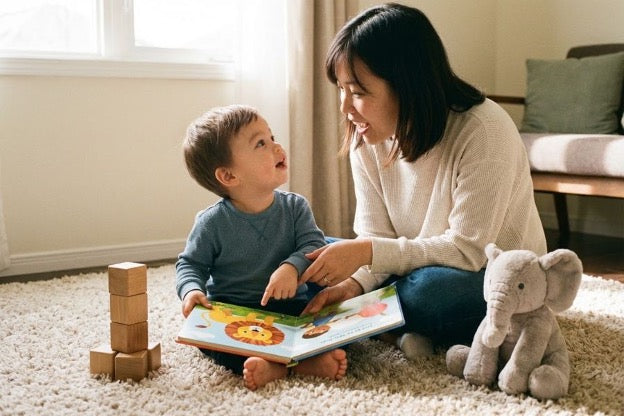
Simple moments can strengthen this connection. Reading together, talking about the day, or sharing meals as a family all contribute to a nurturing environment.
Respect and Validation
Respect is another cornerstone of the gentle parenting style. Children are treated as individuals with their own thoughts, needs, and preferences.
Respecting the child's perspective does not mean giving in to every request. Instead, it means listening carefully and explaining decisions in ways that match the child's developmental stage.
When parents practice mutual respect, children learn how to treat others kindly. This approach encourages cooperation rather than fear.
Gentle Discipline and Positive Discipline
One of the most misunderstood aspects of gentle parenting is discipline. Many people assume that this approach means avoiding discipline entirely, but that is not true.
Understanding Positive Discipline
In gentle parenting, discipline is about teaching rather than punishing. The approach often relies on positive discipline, which focuses on guidance, learning, and problem solving.
Unlike approaches that rely on punishment, positive discipline does not involve punishment or humiliation. Instead, it helps children understand the effects of their actions.
For example, if a child spills water during play, the parent may calmly guide them to help clean it up. This teaches responsibility through natural consequences.
Gentle Discipline Examples
Here are three examples of gentle discipline in action.
Example 1: Toy Throwing
Instead of yelling, the parent calmly says,
“Toys are not for throwing. If you throw them again, we will put the toy away.”
If the behavior continues, the toy is removed. This reinforces consistent boundaries.
Example 2: Refusing to Share
Parents can guide problem solving between children by saying,
“It looks like both of you want the truck. Let’s find a solution.”
Children may take turns or choose another toy.
Example 3: Messy Art Play
When a child paints on the table, the parent might say,
“Paint stays on the paper. Let’s wipe the table together.”
These responses help children connect actions with natural consequences.
Teaching Self Regulation
Discipline in gentle parenting focuses on building self regulation skills. Instead of controlling behavior through fear, parents guide children to understand their own emotions and reactions.
Over time, this helps children develop self discipline and make thoughtful choices.
Clear Boundaries With Choices
A common misconception about gentle parenting is that children have no limits. In reality, clear boundaries are essential.
Setting Boundaries
Healthy limits help children feel safe and secure. In gentle parenting, adults set boundaries calmly and consistently.
For example:
“We hold hands when crossing the street.”
“Toys stay in the playroom.”
These are examples of firm boundaries that protect safety and teach responsibility.
Offering Choices
Choices help children feel respected while still maintaining structure.
For example:
“Do you want to brush your teeth first or put on pajamas first?”
Choices encourage cooperation and encourage independence.
This approach works well because it respects the child's age and developmental stage.

Gentle Parenting Techniques and How to Implement Gentle Parenting
Many parents are curious about practical gentle parenting techniques they can apply daily.
Practical Techniques
Some effective gentle parenting techniques include:
- Active listening when a child speaks
- Validating child's emotions
- Using positive reinforcement to encourage good choices
- Offering choices when possible
- Using calm explanations instead of punishment
These strategies help reinforce positive behaviors and maintain connection.
Steps to Implement Gentle Parenting at Home
Parents who want to implement gentle parenting can start with small steps.
- Slow down and listen to your child
- Acknowledge emotions before correcting behavior
- Use consistent rules so expectations are clear
- Model calm responses to stress
- Focus on guidance rather than control
These steps support implementing gentle parenting techniques gradually.
Scripts for Common Situations
When a child refuses to clean up
“I know you want to keep playing. Toys need to be put away before dinner.”
When a child is frustrated
“You’re feeling upset. Let’s take a breath together.”
These scripts show how gentle parenting works in real moments.
Routines That Support Gentle Parenting
Predictable routines help children feel secure. Simple habits like consistent meal times, bedtime rituals, and play time help children know what to expect.

At Tiny Wins, we often hear from families that routines around meals are especially helpful. When kids know snack time is coming, they are calmer and more cooperative. Many parents also tell us that adding nutrient-rich foods into familiar recipes helps children stay energized during busy daily life.
Adapting for Neurodiverse Children
Some children need additional structure or sensory support. Parents can adapt gentle parenting techniques by simplifying instructions, using visual schedules, or providing extra transitions.
These adaptations still honor the core values of empathy and respect.
Attachment Parenting: Overlaps and Practices
Another philosophy often mentioned alongside gentle parenting is attachment parenting.
What Is Attachment Parenting?
Attachment parenting focuses on creating a strong emotional bond through responsive caregiving. Practices may include responsive feeding, close physical contact, and attentive listening.
Shared Values
Both attachment parenting and gentle parenting emphasize empathy, connection, and trust.
They also recognize the importance of the parent child bond and emotional security.
Practices to Try
Parents interested in attachment parenting may try:
- Babywearing
- Responsive comforting
- Bedtime connection routines
- Talking openly about emotions
These practices support emotional security and connection.
Gentle Parenting Versus Other Parenting Styles
Understanding how gentle parenting compares to other approaches can help parents decide what works best for their family.
Authoritative Parenting
Authoritative parenting values warmth and structure. It encourages communication while maintaining clear expectations and guidance.
Research shows strong outcomes for children raised with this parenting style. For example, studies report that about 85% of children with authoritative parents show higher self-esteem, and they are around 40% more likely to achieve strong academic outcomes compared with children raised in more rigid or inconsistent environments.
Many experts also see similarities between authoritative parenting and the gentle parenting approach, particularly in their focus on empathy, guidance, and supportive communication.
Permissive Parenting
Unlike permissive parenting, gentle parenting includes clear boundaries and expectations.
Permissive parenting often lacks structure, while gentle parenting balances empathy with consistent boundaries.
Authoritarian Parenting
In contrast, authoritarian parenting focuses heavily on control and obedience. Rules may be strict, and questioning authority is discouraged.
While this parenting style may produce immediate compliance, research suggests that overly strict environments may affect a child's emotional well-being.
Expected Outcomes
Children raised with supportive and respectful parenting styles often develop stronger emotional regulation, cooperation, and social confidence.
Gentle Parenting in Everyday Life: Examples and Scripts
Understanding the theory behind gentle parenting is helpful, but many parents want practical examples for real situations.
Tantrums and Meltdowns
When a child has a meltdown, the goal is to remain calm and ensure safety.
Step-by-step script
- Acknowledge feelings: “You’re really upset right now.”
- Ensure safety: move objects away if needed
- Offer comfort if the child wants it
- After calming down, discuss what happened
Children often calm faster when adults remain calm and supportive.
Sibling Rivalry and Sharing
Conflicts between siblings are common.

Example mediation
“I see both of you want the same toy. Let’s take turns.”
Encouraging problem solving teaches children how to negotiate fairly.
Bedtime Battles and Routines
A predictable bedtime routine helps reduce resistance.
Simple steps might include:
- Bath
- Pajamas
- Story time
- Lights out
Choice-based scripts can also help.
“Would you like two or three books tonight?”
“Do you want the blue pajamas or the green ones?”
Helping Children Develop Emotional and Social Skills
One goal of gentle parenting is helping children develop emotional awareness and social understanding.
Skills Supported
Children gradually learn:
- Emotional regulation skills
- Empathy for others
- Cooperation and problem solving
- Confidence in social situations
These skills prepare children for social contexts like school and friendships.
Activities That Support Emotional Growth
Some helpful activities include:
- Talking about feelings during stories
- Role-playing social situations
- Practicing calming breaths
- Naming emotions together
These activities help children understand their child's emotional experiences.
Being a Gentle Parent: Self-Care and Consistency
Practicing gentle parenting requires patience and reflection.
Parents benefit from learning techniques that help them manage their own emotions.
Emotion Regulation for Parents
Before responding to a child’s behavior, parents can pause and notice their own feelings.
Understanding your own triggers helps parents respond thoughtfully rather than react quickly.
Seeking Support
Many parents find encouragement through parenting groups, counseling, or guidance from a parenting expert.
Parenting is challenging, and support can make a difference.
Realistic Expectations
Consistency is important, but perfection is not necessary. Many parents find that progress happens gradually.
Children also learn through repeated experiences.
Common Misconceptions and Limits of Gentle Parenting
There are several misunderstandings about gentle parenting.
Misconception 1: Children Do Whatever They Want
In reality, the approach includes setting healthy boundaries and clear boundaries.
Misconception 2: It Means Being Soft
The approach still sets boundaries and expectations. The difference is that guidance is respectful.
Misconception 3: It Works Instantly
Like any parenting strategy, it takes practice and patience.
When to Seek Help
If challenging behavior becomes intense or persistent, professional support can help families develop new strategies.
Avoiding Burnout
Parents should pay attention to their own needs and rest when possible. Parenting is demanding work.
Quick Practical Toolkit: Gentle Discipline Tools
Here is a simple cheat sheet parents can keep handy.
Gentle Discipline Cheat Sheet
- Pause before reacting
- Acknowledge feelings
- Set boundaries clearly
- Offer choices
- Use positive reinforcement
Printable Script Ideas
When a child refuses instructions
“I hear you don’t want to stop playing. It’s time for dinner.”
When emotions run high
“I’m here. Let’s breathe together.”
Simple Routine Template
Morning routine example:
- Wake up
- Breakfast
- Get dressed
- Prepare for school
Simple routines reduce stress for parents and children.
Further Resources and Recommended Reading
Parents interested in learning more about gentle parenting often explore books and guides from respected educators.
Some helpful authors include Sarah Ockwell Smith, who writes widely about respectful parenting.
Resources on positive discipline and attachment parenting can also offer helpful guidance for families exploring different parenting approaches.
Gentle parenting reminds us that the small moments in daily life matter. The way we respond to a child’s frustration, the patience we show during challenging behavior, and the care we bring to everyday routines all shape the kind of relationship we build with our children. When parents focus on empathy, clear boundaries, and guidance rather than punishment, children begin to develop confidence, self discipline, and strong emotional awareness.
Raising Kind, Confident Kids One Calm Moment at a Time
Gentle parenting reminds us that the everyday interactions we have with our children shape the kind of relationship we build with them over time. The way we respond to frustration, guide challenging behavior, and communicate during difficult moments all help children learn how to manage their own emotions and understand others. With patience and clear boundaries, parents can support both emotional growth and cooperation.
If you are exploring gentle parenting, remember that small steps matter. You do not need to change your entire parenting style overnight. Even small shifts like practicing active listening, acknowledging a child’s feelings, or offering simple choices can make daily interactions smoother and more connected.
Here are three simple takeaways to keep in mind:
- Lead with connection. Listening and validating your child’s feelings helps strengthen the parent child bond.
- Provide structure and guidance. Clear boundaries and consistent expectations help children feel secure.
- Model calm responses. When parents manage their reactions, children begin to develop stronger emotional regulation skills.
Simple routines can also support these efforts. At Tiny Wins, we often hear from families who are creating calmer days by building predictable rhythms around meals, playtime, and bedtime. These routines not only strengthen family connection but also support kids as they grow and explore. Many parents also share that adding easy nutrition habits helps their children stay energized and ready for learning, play, and connection.
In the end, gentle parenting is not about perfection. It is about showing up with empathy, consistency, and care. When parents focus on connection and guidance, they help raise confident children while building a supportive home where everyone feels respected and understood.


Leave a comment
This site is protected by hCaptcha and the hCaptcha Privacy Policy and Terms of Service apply.