
Last Updated: November 12, 2026
Quick Summary
Consistent mealtime routines help toddlers thrive because a predictable rhythm tells them what comes next, lowering the stress that fuels food refusal. Children who know when meals and snacks arrive feel safe, which supports self-regulation, language practice at the table, and calmer behavior between meals.
- Offer food every two to three hours, usually three meals and two snacks with water in between.
- Keep meal times within a 30-minute window each day; the pattern matters more than the exact clock.
- A realistic table time is about 10 to 20 minutes for a 2-year-old, and often less on a low-appetite day.
- The adult decides what food is served and when; the child decides whether to eat and how much.
- Build the routine one eating opportunity at a time, starting with an anchor meal like breakfast.
Table of Contents
- Why Predictable Mealtimes Matter for Toddlers
- Building a Toddler Meal Schedule for a 2-Year-Old
- How to Create a Pre-Meal Routine for Toddlers
- How Long Should a Toddler Sit at the Table?
- Preventing Mealtime Power Struggles with Toddlers
- Measuring Progress Without Pressure
- Filling Nutritional Gaps While Your Toddler Learns to Eat
- Start Your First Week of Mealtime Routines
- Frequently Asked Questions
Why Predictable Mealtimes Matter for Toddlers
Toddlers thrive on sameness. A predictable rhythm tells a small child what comes next, and that lowers the stress that fuels food refusal.
The benefits of consistent mealtime routines for toddlers reach further than the plate. Children who know when meals and snacks arrive feel safe. That sense of stability supports self-regulation, language practice at the table, and calmer behavior between meals.
The American Academy of Pediatrics healthy eating guidance points out that young children do best with regular eating opportunities and caregiver modeling. Simple, repeatable, and worth protecting.
Building a Toddler Meal Schedule for a 2-Year-Old
A workable toddler meal schedule for a 2-year-old follows one rule: offer food every two to three hours. That usually means three meals and two snacks, with water in between. But the same rule looks different at 12 months, 18 months, 2 years, and 3 years, because nap transitions, appetite swings, and attention spans all shift.
Here is the shape most families land on for a 2-year-old:
- Breakfast shortly after waking
- Morning snack mid-morning
- Lunch around midday
- Afternoon snack after nap
- Dinner early enough to avoid overtired meltdowns
Keep times within a 30-minute window each day. The exact clock matters less than the pattern. A 2-year-old's appetite swings wildly from day to day, so expect a big lunch and a tiny dinner, then the reverse tomorrow. That is normal, not a problem to fix.
How the Schedule Shifts by Age
A 12- to 18-month-old often needs a small snack before the morning nap and another after the afternoon nap, so the day can include three meals and two or three snacks. By 2 years, most toddlers drop the morning nap and settle into three meals and two snacks. By 3 years, snack timing often moves later in the morning and afternoon as lunch and dinner creep slightly later. The two-to-three-hour spacing stays constant; the number of eating opportunities shrinks as the child grows.
A Sample Day of Meals and Snacks
| Time | Meal | Example |
|---|---|---|
| 7:30 a.m. | Breakfast | Scrambled egg, soft fruit, toast strips |
| 10:00 a.m. | Snack | Cheese cubes and crackers |
| 12:30 p.m. | Lunch | Shredded chicken, pasta, peas |
| 3:30 p.m. | Snack | Yogurt and banana slices |
| 6:00 p.m. | Dinner | Family meal, one safe food plus one new food |
If you want more variety to plug into this framework, our list of 15 healthy sweet and savory toddler food options gives you ready-made picks for each slot.
A Step-by-Step Plan for Building the Routine
A schedule on paper is not a routine. Translate it into a repeatable sequence that runs the same way every day:
- Pick one anchor meal, usually breakfast, and set a 30-minute window.
- Choose a five-minute transition cue (a song, a timer, or a verbal warning).
- Wash hands together at the same sink every time.
- Seat the child in the same chair with the same cup and plate.
- Serve one familiar food alongside anything new.
- Sit and eat together for 10 to 20 minutes.
- End the meal calmly when the child leaves the table or behavior slips.
Run that sequence for two weeks before adding snacks or dinner. Most families find the anchor meal becomes automatic first, and the rest of the day follows.
Watch out: building the whole day at once usually backfires. Toddlers notice sudden change and resist it, so add one eating opportunity at a time and keep the rest of the day flexible until the new piece sticks.
How to Create a Pre-Meal Routine for Toddlers
A pre-meal routine for toddlers is a short, repeated set of steps that signals food is coming. Five minutes is plenty. The goal is a calm body that is ready to eat.
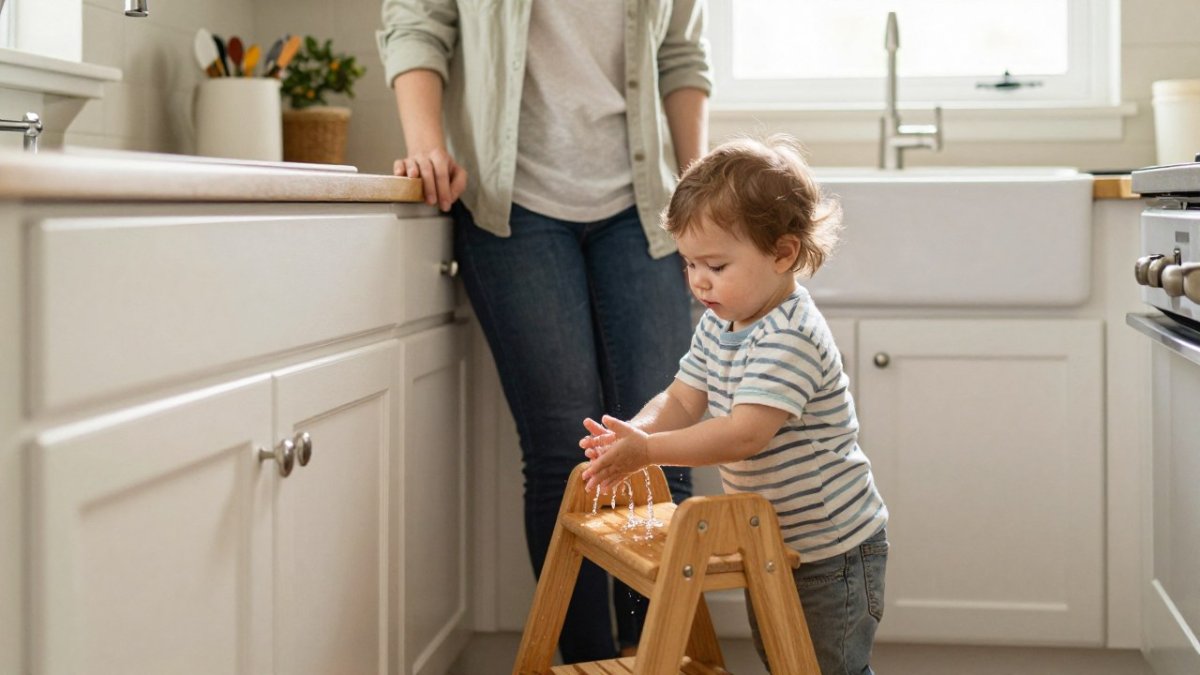
Try this sequence:
- Give a five-minute warning: "Two more puzzles, then lunch."
- Wash hands together at the sink.
- Help set a cup or plate on the table.
- Sit down together and name the food.
Same order, every time. Toddlers read transition cues long before they understand explanations. A predictable lead-in also gives a hungry child something to do besides demand food.
How Long Should a Toddler Sit at the Table?
The realistic answer: about 10 to 20 minutes for a 2-year-old, and often less on a low-appetite day. How long should a toddler sit at the table is really a question about attention span, not obedience.
A toddler's job at the table is to sit, eat what they choose, and stay pleasant. When that ends, the meal ends. Let them leave. Forcing a child to stay past their limit teaches them that the table is a place of conflict.
Sitting together still matters. Family meals build social skills and communication, and children copy what they see. Keep the meal short, keep it warm, and let it go.
Preventing Mealtime Power Struggles with Toddlers
Most mealtime power struggles with toddlers start when a parent takes responsibility for how much a child eats. When adults keep the timing and food choices steady while letting toddlers decide how much to eat, daily habits for toddlers can support confidence in making choices at the table.
That single shift removes most of the friction. If you need a deeper playbook, our guide on how to stop mealtime power struggles walks through it step by step, and our 7 steps to handle toddler mealtime tantrums covers the heat of the moment.
A few rules that hold up in practice:
- Serve one safe food alongside new ones
- Never bribe, pressure, or bargain
- Keep your own plate stocked and eat with them
- End the meal calmly when behavior slips
Watch out: pressuring a child to take "just one bite" tends to backfire. It teaches them that eating is a test to pass, and refusal becomes the tool they reach for.
Troubleshooting Real-Life Disruptions
Routines break. Travel, daycare, illness, skipped meals, and inconsistent caregiver schedules all interrupt the pattern, and the goal is not perfection but a reliable fallback.
- Travel: pack one familiar cup, plate, and snack so the transition cue stays the same even when the kitchen does not. Keep meal spacing at two to three hours and accept that new foods may pause for a few days.
- Daycare schedules: ask what times meals and snacks are served and align home meals to those windows on daycare days. If daycare serves lunch at 11:30 a.m., do not offer a full meal at noon at home.
- Illness: appetite drops and that is expected. Offer small, frequent, familiar foods and water, and return to the routine once appetite comes back. Do not force the schedule during a sick week.
- Skipped meals: if a meal is missed, offer the next scheduled snack rather than doubling up. A toddler who grazes all afternoon will not arrive hungry at dinner.
- Tantrums at the table: end the meal calmly, remove the child from the table, and reset. The routine resumes at the next scheduled eating opportunity, not in the middle of a meltdown.
- Inconsistent caregiver schedules: write the schedule down and share it with every caregiver. The times can flex by 30 minutes, but the order of meals and snacks should stay the same.
Adapting Routines for Sensory Needs and Feeding Difficulties
Some toddlers find mealtimes genuinely hard. Texture, smell, and even the sound of a chair scraping can overwhelm a nervous system. For these children, the routine matters even more, but it needs to move slower.
Start with the sensory piece before the food. A quiet room, dimmer light, and a familiar seat help a child settle. Our step-by-step guide on how to fix sensory food aversions breaks the process into small, doable stages.
Watch out: general routine advice is not a substitute for individualized professional support.
Measuring Progress Without Pressure
Progress in feeding is not measured in bites. Watch for the quiet wins instead: a child who sits down without protest, touches a new food, or stays at the table a minute longer.
A simple weekly check works well:
- Did the routine happen most days?
- Did your child come to the table without a fight?
- Did they try anything new, even by touching it?
Track these for a month. Most families see more change than they expected, and none of it required a single "clean your plate."
The CDC guidance on toddler nutrition and growth reminds parents that growth and appetite vary widely in the toddler years. A single skipped meal says nothing. A steady pattern over weeks tells the real story.
Filling Nutritional Gaps While Your Toddler Learns to Eat
Even with a solid routine, toddlers eat unevenly. Some days it is three bites of pasta and nothing else. That is where a little backup helps, without changing the meal itself.
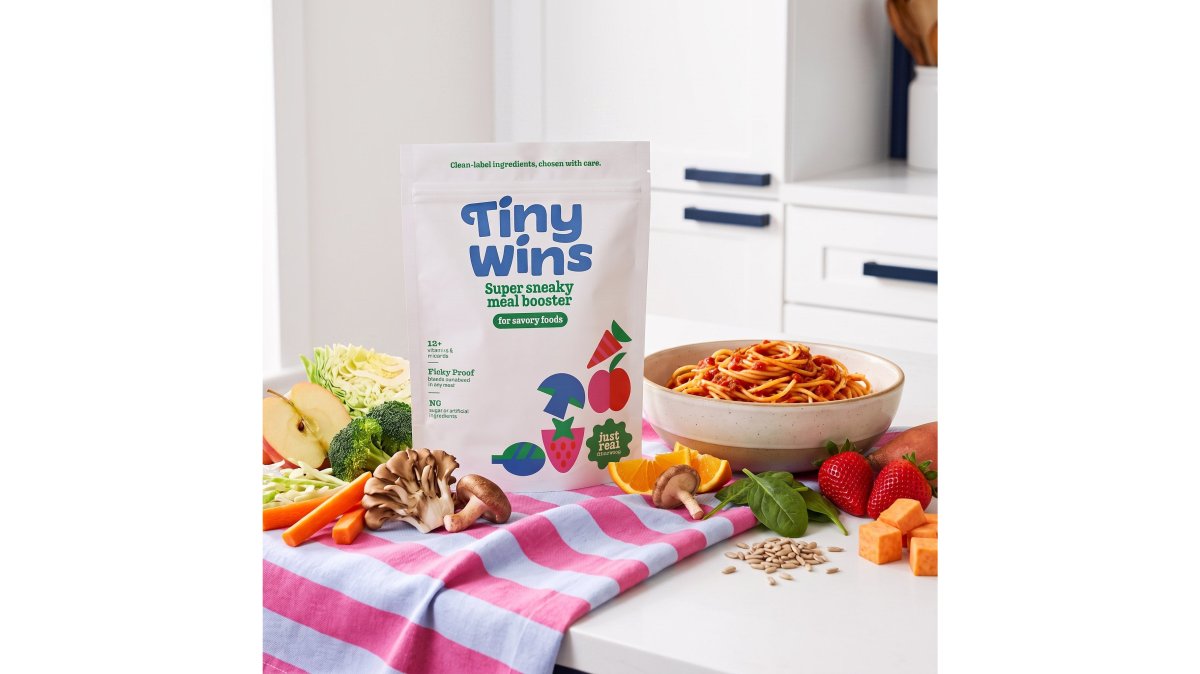
This is the gap Tiny Wins was built for. Our tasteless powder blends into foods kids already love, so it adds nutrients without touching taste, texture, or the mealtime routine you worked to build. Our blends are made with real fruits and vegetables and no added sugar. One parent put it plainly: "It's become part of our daily routine."
For a fuller plan on closing the gap, read our parent's guide on how to bridge nutritional gaps in toddlers.
Start Your First Week of Mealtime Routines
Pick one meal to anchor first, usually breakfast. Set the time, run the same five-minute lead-in, and sit down together. Add snacks and dinner once breakfast feels automatic.
Expect wobbles. A bad day does not undo a routine; quitting does. The benefits of consistent mealtime routines for toddlers build quietly, one repeat at a time.
Tiny Wins makes the nutrition side of that routine simple. Our blends add whole-food nutrients to the foods your picky eater already trusts, with no change to taste or texture. Each one is free of fillers and added sugar, and safe for gluten-free lifestyles.
Frequently Asked Questions
What are the benefits of consistent mealtime routines for toddlers?
Predictable mealtimes give toddlers a sense of stability and help their bodies learn when to expect food, which supports appetite and readiness to eat. Routines also reduce mealtime stress for the whole family, make it easier to offer regular eating opportunities, and create space for caregiver modeling and family interaction. Over time, that consistency supports healthier eating habits, food acceptance, and self-regulation around food.
How many meals and snacks should a toddler have each day?
Most toddlers do well with three meals and two to three snacks spaced roughly two to three hours apart. That pattern gives them regular eating opportunities without grazing all day, and it helps hunger cues stay clear. Keep portions small and let your child decide how much to eat. The schedule sets the rhythm; your toddler decides the amount.
Can a consistent meal schedule help with picky eating?
Yes. A consistent schedule supports appetite, so a toddler arrives at the table actually hungry rather than snacking constantly. Predictability also lowers anxiety around new foods and reduces food refusal over time. Pair the schedule with repeated, low-pressure exposure to healthy foods like fruits and vegetables, and avoid short-order cooking. Progress is usually gradual, so track acceptance over weeks rather than single meals.
What should I do if my toddler refuses to eat at mealtime?
Stay calm and keep the routine steady. Offer the meal, sit together, and let your child decide whether and how much to eat. Avoid bribes, distractions, or making a separate meal. If refusal is frequent, check that snacks are not too close to meals and that the pre-meal routine gives a clear transition cue. For children with sensory sensitivities or feeding difficulties, work with a pediatric feeding specialist and consider nutrition support to bridge gaps.



Leave a comment
This site is protected by hCaptcha and the hCaptcha Privacy Policy and Terms of Service apply.