Quick Summary
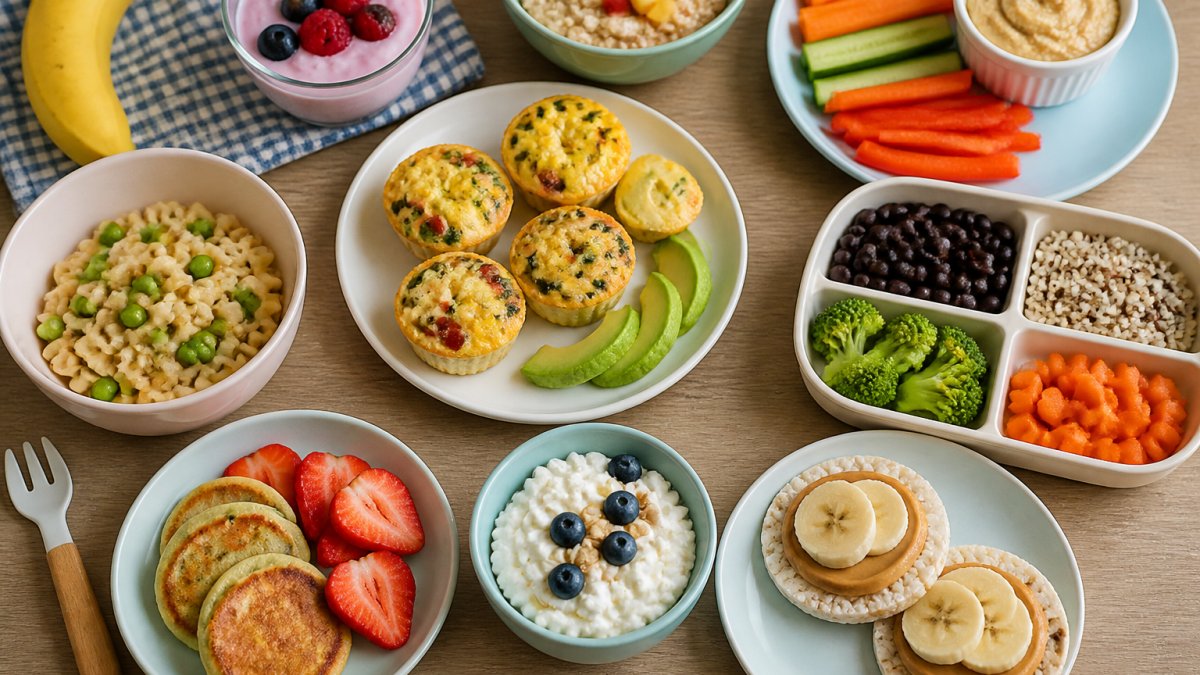
Healthy sweet and savory toddler food options include naturally sweet foods like fruit, yogurt, and whole-grain muffins alongside savory choices like soft vegetables, cheese, and eggs. Offering both categories provides variety, better nutrition, and fewer mealtime conflicts while meeting toddlers where they are developmentally.
- Toddlers under 4 need foods cut into pieces no larger than a kidney bean to prevent choking hazards.
- The American Heart Association recommends less than 25 grams of added sugar per day for children ages 2-18.
- A balanced toddler snack includes protein, healthy fat, and carbohydrates at about 100-150 calories.
- Toddlers need only 1,000-1,500 mg of sodium per day total, so read labels on packaged snacks carefully.
- Rotate snacks no more than 2-3 times per week to prevent boredom and ensure nutritional variety.
Table of Contents
- Why Balance Matters: Sweet and Savory Healthy Toddler Food Options
- Healthy Sweet Snacks for Toddlers That Satisfy Without Excess Sugar
- Savory Snacks for Toddlers: Vegetables, Cheese, and Finger Foods
- Healthy Toddler Snack Ideas for Picky Eaters with Sensory Sensitivities
- Make-Ahead, Portable, and Storage-Friendly Snacks
- Building Balanced Snacks: Composition and Portion Guidance
- Boosting Nutrition Without Changing Taste: When Whole Foods Aren't Enough
- Start Building Your Toddler's Snack Routine
- Frequently Asked Questions
Why Balance Matters: Sweet and Savory Healthy Toddler Food Options
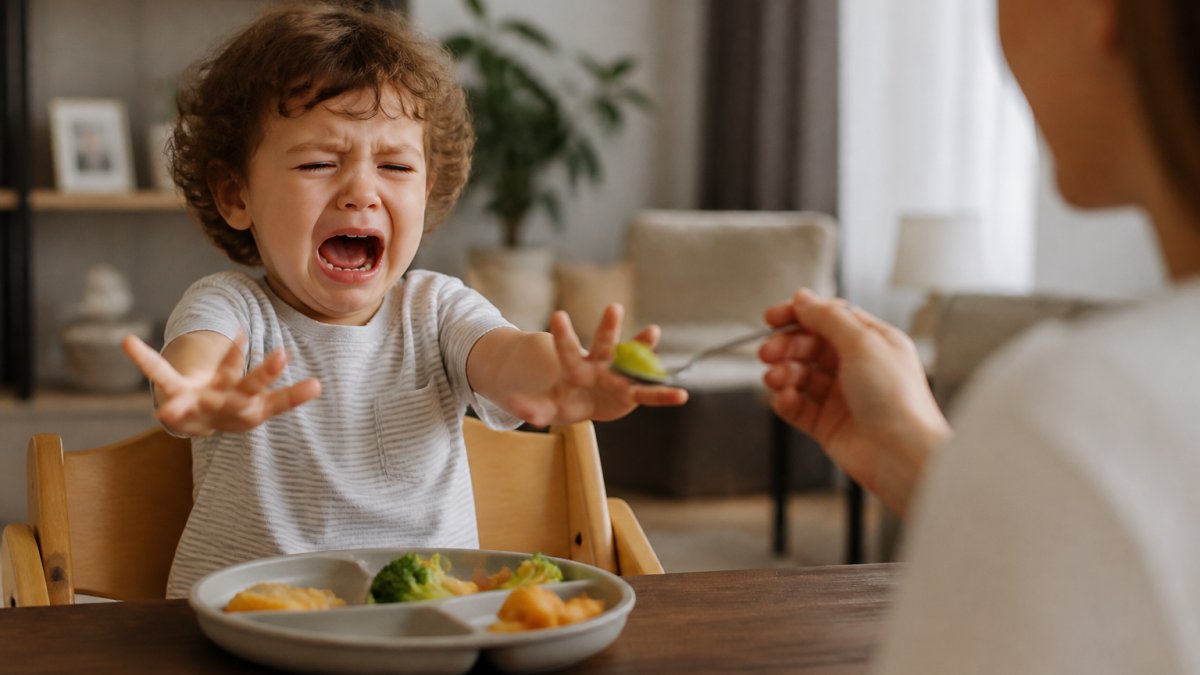
Getting toddlers to eat well is one of the hardest parts of parenting. Between picky eating, sensory sensitivities, and the constant battle at mealtimes, many parents feel stuck.
At Tiny Wins, we understand that toddlers who have access to both sweet and savory healthy options can experience more variety, better nutrition, and fewer mealtime conflicts.
The real advantage of offering both sweet and savory choices is flexibility. A toddler who refuses roasted carrots might happily eat them blended into a savory snack. Another child might reject plain yogurt but devour it mixed with fruit.
Safe Serving Sizes and Choking Hazard Prevention
Choking is a real concern with toddlers, and it changes how you serve snacks.
Watch out: whole grapes, berries, cherry tomatoes, and nuts are choking hazards and must be cut lengthwise into quarters. Popcorn, whole olives, and hard raw vegetables like carrots should be avoided or finely minced.
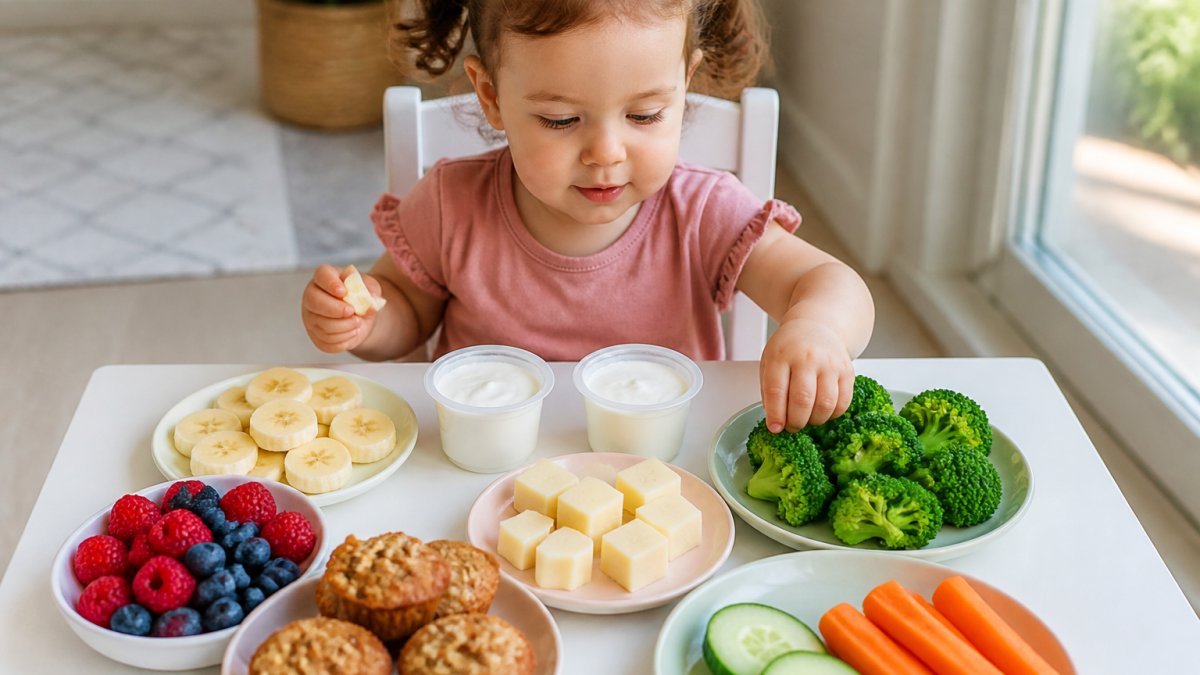
Safe finger foods for toddlers include soft cooked vegetables, small pieces of cheese, soft fruits like banana and mango, whole-grain crackers broken into small pieces, and soft meatballs.
Reading Labels and Managing Added Sugar and Sodium
Most packaged toddler snacks contain far more added sugar and sodium than you'd expect. A single yogurt pouch marketed for kids can contain as much sugar as a dessert.
Check the nutrition label for added sugars first. The American Heart Association recommends less than 25 grams of added sugar per day for children ages 2-18.
Sodium is equally important. Toddlers need only about 1,000-1,500 mg of sodium per day total. Cheese, crackers, and savory snacks can pack 200-400 mg in a single serving. Read labels carefully and choose lower-sodium options.
Healthy Sweet Snacks for Toddlers That Satisfy Without Excess Sugar
Sweet snacks don't have to mean sugar. When you focus on naturally sweet foods like fruit, whole grains, and yogurt, toddlers get satisfaction without the blood sugar spike and crash that comes with processed sweets.
Fruit-Based and Naturally Sweet Options
Fresh fruit is the simplest healthy sweet snack for toddlers. Bananas, berries, melon, and mango are soft, naturally sweet, and packed with fiber and vitamins.
Applesauce and mashed fruit offer another option. Unsweetened versions contain only the natural sugars from fruit, plus fiber. You can make your own by cooking apples or pears and mashing them, or buy unsweetened containers.
Dried fruit like raisins, apricots, and dates are concentrated sources of natural sweetness. They're portable and shelf-stable, making them ideal for snack time or travel.
Baked Goods and Energy Bites
Whole-grain muffins made with mashed banana, applesauce, or pumpkin puree provide natural sweetness without added sugar. Make a batch on Sunday and freeze individual portions for quick grab-and-go snacks.
Energy bites made from oats, nut butters, and dried fruit are nutrient-dense and satisfying. Roll them into small balls and refrigerate.
Whole-grain toast with mashed avocado or almond butter offers a balance of healthy fats and carbs. The natural sweetness of the grain plus the richness of the spread keeps toddlers satisfied longer than refined bread options.
Savory Snacks for Toddlers: Vegetables, Cheese, and Finger Foods
Savory snacks build the foundation for accepting vegetables and whole foods. When toddlers get comfortable with savory flavors early, they're more likely to eat a wider variety of foods as they grow.
Vegetable-Based and Dip Option
Soft cooked vegetables cut into small, manageable pieces are excellent savory snacks. Steamed broccoli florets, roasted sweet potato cubes, and soft-cooked green beans all work well.
Vegetable dips make raw or cooked vegetables more interesting. Hummus, guacamole, and yogurt-based dips add flavor and encourage toddlers to eat more vegetables. Serve dips in small bowls for dipping, or spread thinly on crackers or soft bread.
Seaweed snacks and vegetable chips offer crunch without the deep frying. Some toddlers love the unique flavor and texture. Look for unsalted or low-sodium versions, and watch for choking hazards with very crispy varieties.
Protein and Dairy Choices
Cheese is a toddler favorite and a solid source of protein and calcium. String cheese, cheese cubes, or small pieces of mozzarella are easy to hold and eat. Avoid hard cheeses that pose a choking risk.
Yogurt provides probiotics and protein. Plain, unsweetened yogurt is best, you control any sweetness by adding fruit or a drizzle of honey (for children over 1 year). Greek yogurt has more protein than regular yogurt, keeping toddlers fuller longer.
Soft-cooked eggs, salmon, or small meatballs offer protein variety. Hard-boil eggs and cut into small pieces, or make mini salmon cakes.
Healthy Toddler Snack Ideas for Picky Eaters with Sensory Sensitivities
Sensory-sensitive toddlers often reject foods based on texture, temperature, or appearance rather than taste. Understanding their specific sensitivities helps you find snacks they'll actually accept.
Some toddlers gag on lumpy textures and prefer smooth foods like yogurt, applesauce, or mashed avocado. Others reject anything soft and prefer crunchy foods like crackers or toasted bread. Observing what your child naturally gravitates toward reveals their texture preference.
Sweet & Savory Blends - Best of Both Worlds →
Temperature matters too. Some toddlers prefer cold snacks straight from the refrigerator, while others want room-temperature or warm options. Offer variety and let your child choose.
When a toddler's diet is extremely restricted, adding nutrients to foods they already accept becomes crucial. Sugary Snack Alternatives for Sensory Eaters provides specific swaps for common sensory-approved foods. For hidden nutrition in accepted foods, 15 Sneaky Ways to Sneak Real-Food Nutrition Into Kids' Favorite Meals offers practical strategies that don't change taste or texture.
Make-Ahead, Portable, and Storage-Friendly Snacks
Busy parents need snacks that travel well and keep for days. Planning ahead means you're not caught without healthy options when hunger strikes.
Refrigerator and Freezer Options
Prepare snack portions on weekends and store them in small containers. Cut fruit, cooked vegetables, and cheese can stay fresh for 3-5 days in the refrigerator. Portion them into containers so they're grab-and-go ready.
Freeze muffins, energy bites, and baked goods individually. They thaw by snack time and stay fresh for up to 3 months in the freezer.
Yogurt parfaits layer yogurt with granola and fruit. Make them in small mason jars and refrigerate for up to 5 days. The layers stay separate so textures don't get soggy.
Road-Trip and On-the-Go Snacks
Portable snacks need to travel well without refrigeration for a few hours. Whole-grain crackers, dried fruit, cheese cubes, and nuts (if age-appropriate) pack easily. Applesauce pouches and nut butter packets are convenient and require no preparation.
Homemade trail mix combining whole-grain cereal, dried fruit, and small cheese pieces travels well. Pack in small bags so portions are controlled and easy to grab.
Soft pretzels, whole-grain bread, and muffins don't require refrigeration and satisfy hunger quickly. Wrap individually so they're portion-controlled and easy to distribute.
Building Balanced Snacks: Composition and Portion Guidance
A balanced snack includes protein, healthy fat, and carbohydrates. This combination keeps toddlers satisfied and provides sustained energy without blood sugar spikes.
The ideal toddler snack is about 100-150 calories and includes at least two food groups. For example: cheese and crackers, yogurt with berries, or apple slices with almond butter. This balance prevents hunger spikes and keeps energy steady between meals.
Portion sizes matter. A toddler's stomach is small, about the size of their fist. A snack portion should be roughly a small handful of food. Offer water alongside snacks to aid digestion and hydration.
Snack Component |
Example |
Portion Size |
|---|---|---|
Protein |
Cheese, yogurt, egg |
1-2 oz or 1/4 cup |
Fruit/Vegetable |
Berries, banana, broccoli |
1/2 cup or 1 small piece |
Whole Grain |
Crackers, bread, oats |
3-5 crackers or 1 slice |
Healthy Fat |
Nut butter, avocado, olive oil |
1 teaspoon to 1 tablespoon |
Rotate snacks to prevent boredom and ensure variety. Offer the same snack no more than 2-3 times per week. This exposure helps toddlers become familiar with foods while maintaining interest.
Boosting Nutrition Without Changing Taste: When Whole Foods Aren't Enough
Some toddlers eat such a restricted diet that whole foods alone can't meet their nutritional needs.
Whole-food nutrition powders designed for kids offer a practical solution. They blend seamlessly into foods without changing taste, texture, or color.
The advantage of whole-food powders is flexibility. A sweet blend works in yogurt, oatmeal, pancakes, and smoothies. A savory blend disappears into soups, pasta sauce, and mashed potatoes.
Sweet Blend works best for naturally sweet foods your toddler already loves. Savory Blend integrates into savory meals without detection. For families wanting both options, Sweet & Savory Blends - Best of Both Worlds provides a complete solution, over 14 fruits, vegetables, and superfoods across both blends, with 120 total servings for flexibility.


The key is choosing products made with real whole-food ingredients, third-party tested for purity, and free from artificial additives. This gives you confidence you're adding real nutrition, not empty calories.
Start Building Your Toddler's Snack Routine
Mealtime battles don't have to be your reality. When you offer a genuine mix of healthy sweet and savory toddler food options, toddlers eat more variety and get the nutrition they need.
Start with snacks your toddler already accepts, then gradually introduce new options. Keep portions small, always supervise eating, and remember that exposure to new foods takes time.
At Tiny Wins, we believe small wins add up to big outcomes. Our whole-food nutrition blends make it easier to support your child's growing needs without complicated routines or constant battles.
Frequently Asked Questions
What are the biggest choking hazards for toddler snacks?
Hard, round, sticky, or small foods pose the highest risk. Avoid whole grapes, cherry tomatoes, popcorn, hard candy, nut butters by the spoonful, marshmallows, and raw carrots. Cut grapes lengthwise into quarters, cook vegetables until soft, spread nut butter thinly on toast, and supervise all eating. The FDA and American Academy of Pediatrics recommend foods that dissolve easily or require minimal chewing for children under 4.
How can I offer both sweet and savory healthy toddler food options without cooking twice?
Use whole-food powders that blend into both meal types. A savory blend works into pasta sauce, soups, and dips, while a sweet blend mixes seamlessly into yogurt, oatmeal, and applesauce. This approach adds fruits and vegetables to foods your toddler already eats without changing taste or texture. The Sweet & Savory Blends combo ($89.90) gives you both options for 120 servings, making it easy to boost nutrition across all meals.
How much added sugar should toddlers have daily?
The American Heart Association recommends no added sugars for children under 2, and less than 6 teaspoons (25 grams) daily for children 2 and older. Check ingredient labels for hidden sugars like honey, fruit juice concentrate, and agave. Focus on whole fruits for natural sweetness, and choose snacks with no added sugar listed in the first five ingredients. Homemade options and whole-food products give you the most control.
Can whole-food powders really hide in foods without my picky eater noticing?
Yes, when formulated correctly. Whole-food extraction powders designed for kids dissolve completely and don't change color, taste, or texture when mixed into appropriate foods. Savory blends work best in pasta sauce, soups, mashed vegetables, and cheese dips. Sweet blends blend into yogurt, oatmeal, smoothies, and applesauce. Start with familiar favorites your child already accepts, and mix thoroughly. Most parents report their picky eaters never detect the addition.
What makes a snack truly 'balanced' for a toddler?
A balanced snack combines protein, healthy fat, and carbohydrates to keep energy stable and hunger satisfied longer. Examples: cheese with whole-grain crackers, yogurt with berries, hard-boiled egg with fruit, or nut butter on whole-wheat toast. Aim for roughly 100-150 calories per snack, with at least 3-5 grams of protein. Including vegetables or fruit adds fiber and nutrients. This mix prevents blood sugar crashes and reduces the urge to snack constantly throughout the day.


Leave a comment
This site is protected by hCaptcha and the hCaptcha Privacy Policy and Terms of Service apply.