
Table of Contents
- Why Tasteless Nutrient Powder for Kids Works When Other Vitamins Fail
- Understanding Nutritional Gaps in Picky Eaters
- How to Get Vitamins Into Picky Eaters Without a Battle
- Sensory-Friendly Nutrition for Kids With Texture Sensitivities
- Tiny Wins Sweet Blend vs. Savory Blend: Which Should You Choose
- Safety, Testing, and What to Avoid in Nutrient Powders
- Cost Per Serving and Real-World Value
- Conclusion
- Frequently Asked Questions
Why Tasteless Nutrient Powder for Kids Works When Other Vitamins Fail
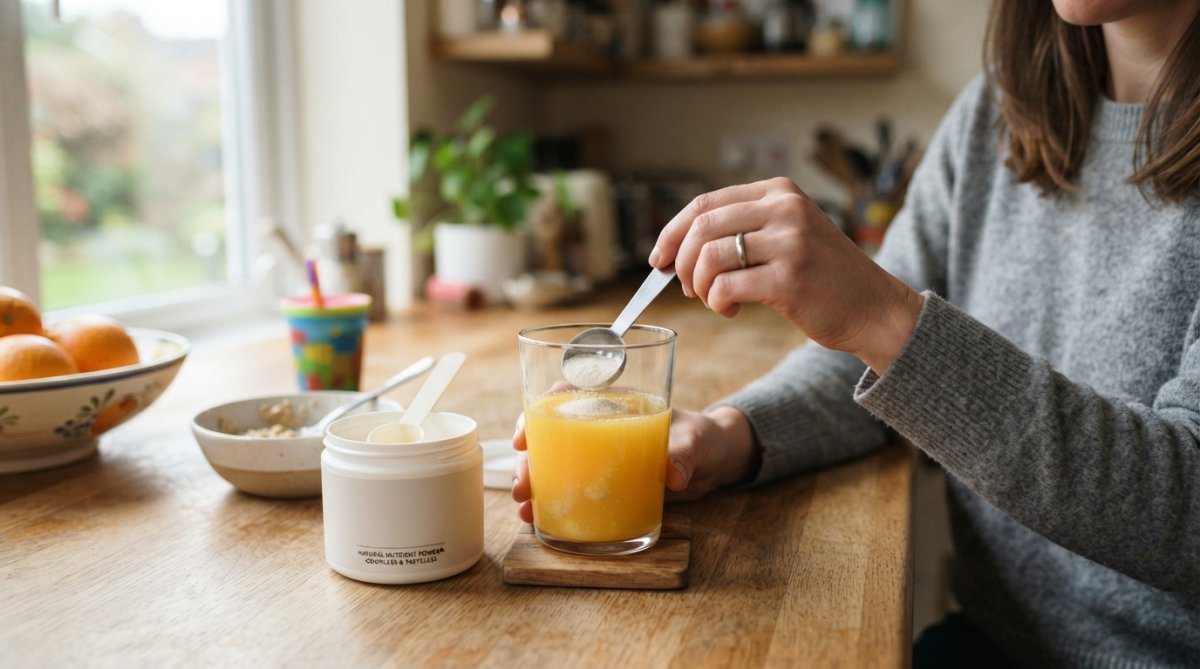
The moment most parents realize their child won't swallow a gummy vitamin or chew a tablet, they hit a wall. Traditional multivitamins rely on taste and texture to appeal to kids, which is exactly why they fail with picky eaters. A tasteless nutrient powder for kids solves this problem at the source: if your child can't taste it, they can't refuse it.
This approach separates nutrition from the battle. Instead of forcing your child to consume something foreign or unpleasant, you're adding nutrients to foods they already accept. At Tiny Wins, we've built our entire product line around this insight: the best vitamin is the one a child will actually consume without resistance.
When you eliminate the sensory barrier, you eliminate daily negotiation. No more hiding pills in applesauce or dealing with liquid vitamins that coat the mouth. Just nutrients that disappear into everyday meals.
Understanding Nutritional Gaps in Picky Eaters
Picky eating often creates a nutritional crisis. When a child's diet narrows to five or six accepted foods, the gap between what they eat and what their body needs becomes significant. A tasteless nutrient powder for kids fills that gap directly, delivering essential nutrients from real fruits, vegetables, and whole-food sources into meals already part of their routine.
Children with restricted diets commonly miss critical micronutrients: iron (from avoiding red meat), vitamin D (from skipping fortified dairy or fatty fish), and B vitamins (when grains and proteins are limited). These gaps affect energy, immune function, bone development, and cognitive performance.
For children with sensory processing disorder (SPD) or avoidant/restrictive food intake disorder (ARFID), the challenge intensifies. These are neurological conditions, not stubbornness. A child with SPD may experience normal textures as physically overwhelming. ARFID involves anxiety around eating itself. For these children, forcing a vitamin becomes counterproductive.
A tasteless nutrient powder for kids bypasses these barriers entirely. Instead of asking your child to tolerate something new, you're enriching foods they've already accepted. The powder dissolves completely, leaving no grit, flavor shift, or texture change, often the only viable path to nutritional adequacy for sensory-sensitive children.
How to Get Vitamins Into Picky Eaters Without a Battle
Mixing Strategies for Sweet and Savory Foods
Success with a tasteless nutrient powder for kids depends on choosing the right foods to mix it into. Some hide the powder seamlessly; others expose it if you're not careful.
Sweet foods are ideal starting points. Yogurt is a gold standard, the thick texture masks grittiness and natural sweetness covers subtle flavor notes. Applesauce, oatmeal with fruit, and smoothies work similarly well, with blending or thick textures fully incorporating the powder.

Testing for Texture and Taste Detection
Before daily use, test the powder in your child's favorite food with half a scoop. Watch for changes in eating behavior: hesitation, spitting out food, complaints about taste or texture, or refusal of a previously accepted dish.
Most children won't detect a properly mixed tasteless nutrient powder for kids, but sensory-sensitive children may notice subtle changes. If your child rejects the food after you've added the powder, either the powder is detectable in that food or your child's sensory sensitivity is higher than expected.
If detection occurs, try a different food. The powder works better in some applications, what fails in plain yogurt might disappear in applesauce or thick tomato sauce.
Testing also identifies which foods your child eats consistently. The goal is finding three to five foods eaten regularly enough to build a reliable nutrient delivery system around them.
Sensory-Friendly Nutrition for Kids With Texture Sensitivities
Children with sensory processing issues experience food textures differently than typical eaters. A texture that feels normal to most people can feel overwhelming or painful to a child with SPD, it's how their nervous system processes sensory input.
Sweet & Savory Blends - Best of Both →
For these children, a tasteless nutrient powder for kids becomes a medical necessity. Adding nutrients through familiar foods avoids sensory triggers entirely. The child doesn't have to overcome texture barriers or manage anxiety around new foods, they simply eat what they've already accepted.
The powder must be truly fine and smooth, any grittiness will be detected and rejected. Tiny Wins uses an extraction process that creates a fine powder that blends seamlessly, critical for sensory-sensitive children.
Tiny Wins Sweet Blend vs. Savory Blend: Which Should You Choose
Tiny Wins offers two formulations: a Sweet Blend for breakfast and snacks, and a Savory Blend for lunch and dinner. Choose based on which meals your child eats most consistently.

Sweet Blend: Best for Breakfast and Snacks
The Sweet Blend works seamlessly into yogurt, smoothies, oatmeal, pancakes, and fruit-based foods. One scoop delivers at least 50% of the Daily Value of key vitamins and minerals from real fruits and whole-food sources, with no artificial sweeteners or added sugar.
The Sweet Blend costs $49.95 per bag with 60 servings (less than $1 per serving), offering a sustainable approach to filling nutritional gaps without relying on traditional vitamins your child refuses.
Savory Blend: Best for Lunch and Dinner
If your child's accepted foods center on lunch and dinner items, the Savory Blend becomes your foundation. It blends into pasta sauces, soups, mashed vegetables, and ground meat dishes without altering flavor or texture, delivering at least 50% of key daily vitamins and minerals from real vegetables and whole-food ingredients.
The Savory Blend also costs $49.95 per bag with 60 servings, providing consistent nutritional support for families where dinner is the most reliable meal.
The Combo Pack: Maximum Flexibility
The Sweet & Savory Blends Combo Pack includes both formulations for $89.90 total (120 servings), offering flexibility across all meals. Choose this if your child eats a mix of breakfast, lunch, and dinner foods.
The combo pack approach works well for families with multiple children or for parents who want to cover all bases. You're not locked into a single meal strategy. You can add the Sweet Blend to breakfast and snacks while using the Savory Blend at dinner, ensuring comprehensive nutritional support across the entire day.
Safety, Testing, and What to Avoid in Nutrient Powders
Not all tasteless nutrient powders for kids are created equal. Quality, purity, and ingredient transparency matter enormously when you're adding something to your child's food without their knowledge.
Tiny Wins products are third-party tested for purity, heavy metals, and microbes. This testing is non-negotiable, you need verification that what's in the container is exactly what the label claims, with no contamination. The testing also confirms that heavy metals are absent.
Cost Per Serving and Real-World Value
A tasteless nutrient powder for kids costs significantly more per serving than a traditional gummy vitamin. The question isn't whether it's cheap, it's whether it delivers value that justifies the cost.
Conclusion
Getting nutrients into a picky eater feels impossible until you remove the sensory barrier entirely. A tasteless nutrient powder for kids does exactly that, it delivers essential vitamins and minerals from real fruits and vegetables without asking your child to accept something new or unfamiliar.
Frequently Asked Questions
How do I know a tasteless nutrient powder won't change the taste or texture of my child's food?
Quality tasteless nutrient powders like Tiny Wins use whole-food extraction processes that concentrate vitamins and minerals without adding flavor compounds or gritty textures. Each scoop is designed to blend invisibly into foods your child already loves. Start by mixing a small amount into a familiar food—yogurt, applesauce, or soup—and observe before committing to larger doses.
What's the difference between tasteless nutrient powder and regular gummy vitamins for kids?
Tasteless nutrient powders deliver whole-food-based vitamins without sugar, artificial sweeteners, or flavoring agents, making them ideal for children with sensory sensitivities or restricted diets. Gummy vitamins often contain added sugars and artificial ingredients that can trigger texture aversions. Powders allow you to control exactly when and how your child receives nutrients, without relying on them to chew or swallow a tablet.
Are tasteless nutrient powders safe for children with sensory processing disorder or ARFID?
Yes, when chosen carefully. Look for powders that are third-party tested, free of artificial additives, and made from whole-food sources. For children with sensory processing disorder or ARFID, the invisibility of the powder is the key advantage—it bypasses the sensory gatekeepers that typically trigger food refusal. Always introduce the powder in tiny amounts mixed into foods your child already accepts, and monitor for any signs of texture detection or digestive changes.
How long does it take to see results after starting a tasteless nutrient powder?
Nutritional improvements are gradual. The real benefit is filling nutritional gaps over time—supporting your child's immune system, growth, and development through consistent micronutrient intake. Think of it as prevention and foundational support, not a quick fix for picky eating behavior itself.



Leave a comment
This site is protected by hCaptcha and the hCaptcha Privacy Policy and Terms of Service apply.